

Run it repeatedly in Desktop
Download or import the agent package you built on the web, then run weekly work from the app with your own AI account.
See DesktopThe owner path leads to Desktop. Developer export stays available without taking over the main funnel.
Download or import the agent package you built on the web, then run weekly work from the app with your own AI account.
See DesktopScan external ZIPs or GitHub agents for secrets, unsafe code, and prompt-injection risks before publish or manual import.
Open AuditDeveloper toolchains can still use the package files. This is an advanced route, not the main buyer path.
Developer guideA single draft is not the hard part anymore. Agentlas is for the next layer: the same work coming back every week, your standards staying intact, and only the decisions that need a human rising to the top.
Paste one product and it can draft a page, caption, or reply.
You can make a bot, but each launch still needs setup, channel splitting, and cleanup.
A coordinator, product copy, ad, review, and support agents prepare one brand-safe launch kit.
The visitor does not design the org chart. They describe recurring work, and Agentlas proposes the roles, shared standards, and review points that make the package usable.
The web portal is the review office. It packages the agent or team and checks risky settings before publishing. Desktop is the local office where downloaded or imported packages can run again with your accounts and tools.
Developer ZIPs, CLI paths, and framework comparisons still exist. They are support routes now, not the main promise to an owner comparing AI transformation quotes.
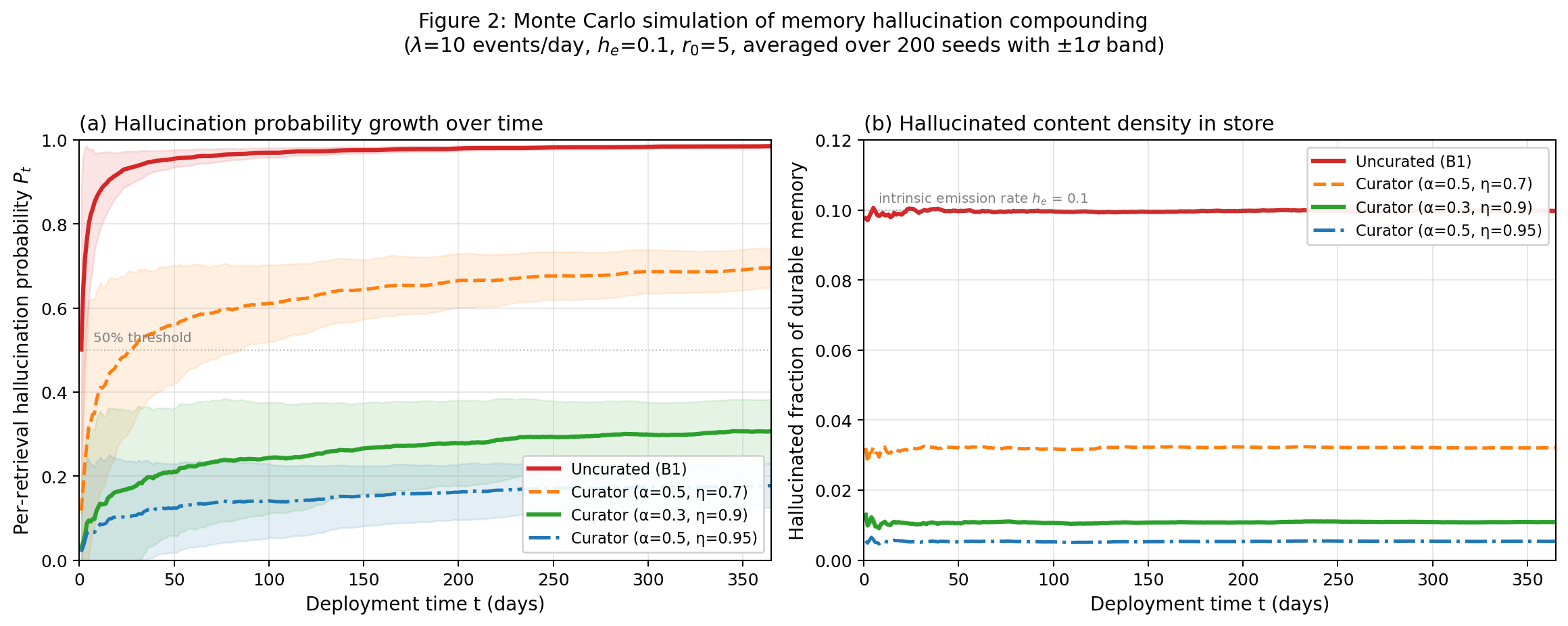
Leave global memory uncurated and after a year, hallucination hits 98.6% per retrieval. Run the same simulation with the Agentlas memory curator on its aggressive setting and it drops to 17.7% — 5.56× lower.
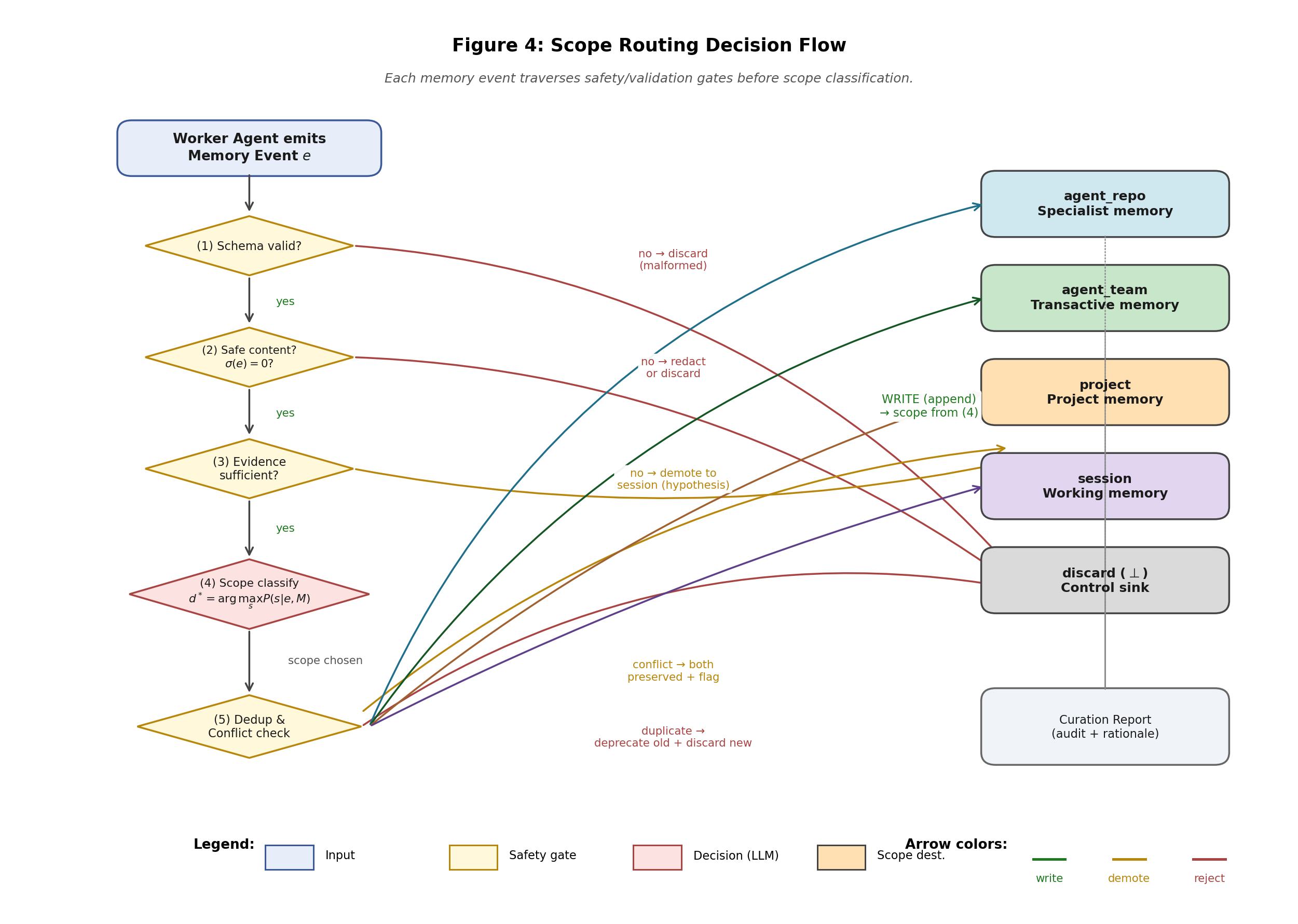
A worker's memory doesn't get written straight away. It has to clear schema, safety, evidence, scope, dedup, and conflict checks first — then it's routed into agent repo, agent team, project, or session memory.
Hire one at a time and a company takes shape. The hard setup is the Agent's job, not yours.
“I need an Agent to run my Instagram.” One line is enough.
Nothing technical. Just pick from the options.
One worker is ready. Put it to work right away.
Add Agents as you need them. Soon it's a team.
Agents doing similar work group into a department.
A coordinator ties the roles together, and the recurring workflow runs.
That Multi Agent setup you saw online and wondered how they built — follow along and it's yours too.
Everywhere, someone offers to “transform you with AI” — consulting plus an outsourced agent build, usually thousands per project. Agentlas is one monthly subscription.
Same ‘AI transformation’ — just with a few zeros removed. (Quotes vary by vendor.)
What's expensive is the consulting labor, not the AI. Agentlas takes that out and puts the build in your own hands. It isn't cheap — it's just the real price.
Every plan has every feature. The only thing that changes is how many credits land in your account each month.
Monthly prices. Full comparison lives on the pricing page.
No card needed.
For frequent builders.
When you're assembling teams all day.
We built Agentlas so anyone can have an AI company that takes care of their own work.
Start with one sentence. It asks only what's missing, then hands you files you can actually use.
Make agents approachable for non-experts.
No perfect prompt required. Answer only what is missing.
Save, download, and share when ready.
A short answer-engine-friendly guide to scope, security, and runtime questions for owners comparing AI transformation quotes.
Agentlas is an AI agent builder that turns one plain work request into a whole agent team — not a single bot. It asks the missing questions, splits the work across agents, surfaces only what needs a human, and then helps you save, download, and share the finished package.
Agentlas is not mainly a code-first orchestration framework. It is a builder and packaging layer for deciding what agents you need, what each one should do, what files should ship, and what should be reviewed before sharing.
Code-first frameworks are best when a developer wants to design graphs, tasks, deployment, and runtime behavior directly. Agentlas starts earlier: describe the business outcome, answer a few questions, then get a portable agent package with roles, instructions, safety labels, and shareable profile copy.
No. Agentlas does not claim to replace your accounting app, CRM, inbox, spreadsheet, or project board. It helps you define and review the agent team that will prepare work for those systems, then hands you a package you can run in the environment you control.
No. Agentlas focuses on creating, reviewing, packaging, and sharing the agents themselves rather than becoming the messaging gateway. Channel integrations should come later, once the role, safety review, and run environment are clear.
Not today. The web app helps design and review the agent or team. Recurring work belongs in Agentlas Desktop or another local environment you choose, with your own AI accounts and local trust decisions.
Yes. Agentlas begins with plain language and avoids asking for integration jargon, tokens, or API details before the user understands the job. When technical setup is needed, Agentlas can explain it and let the user defer what they do not know yet.
Agentlas reviews sensitive details, risky settings, and public-sharing issues before an agent profile goes live. Public profiles are meant to show the agent structure, purpose, safety labels, and install guidance, not private secrets.
An agent team is a coordinated workflow: one routing role plus several specialist agents. For an e-commerce workflow, that might mean a product copywriter, pricing scout, review analyst, and customer support writer working under one plan.
Agentlas is designed to produce portable agent instructions, skills, setup notes, and safety context that users can take into the AI runtime or local tool they already use.